What do you think of this article?
By Madison Avenue TMS & Psychiatry - Published on February 23, 2026
Last updated on February 23, 2026
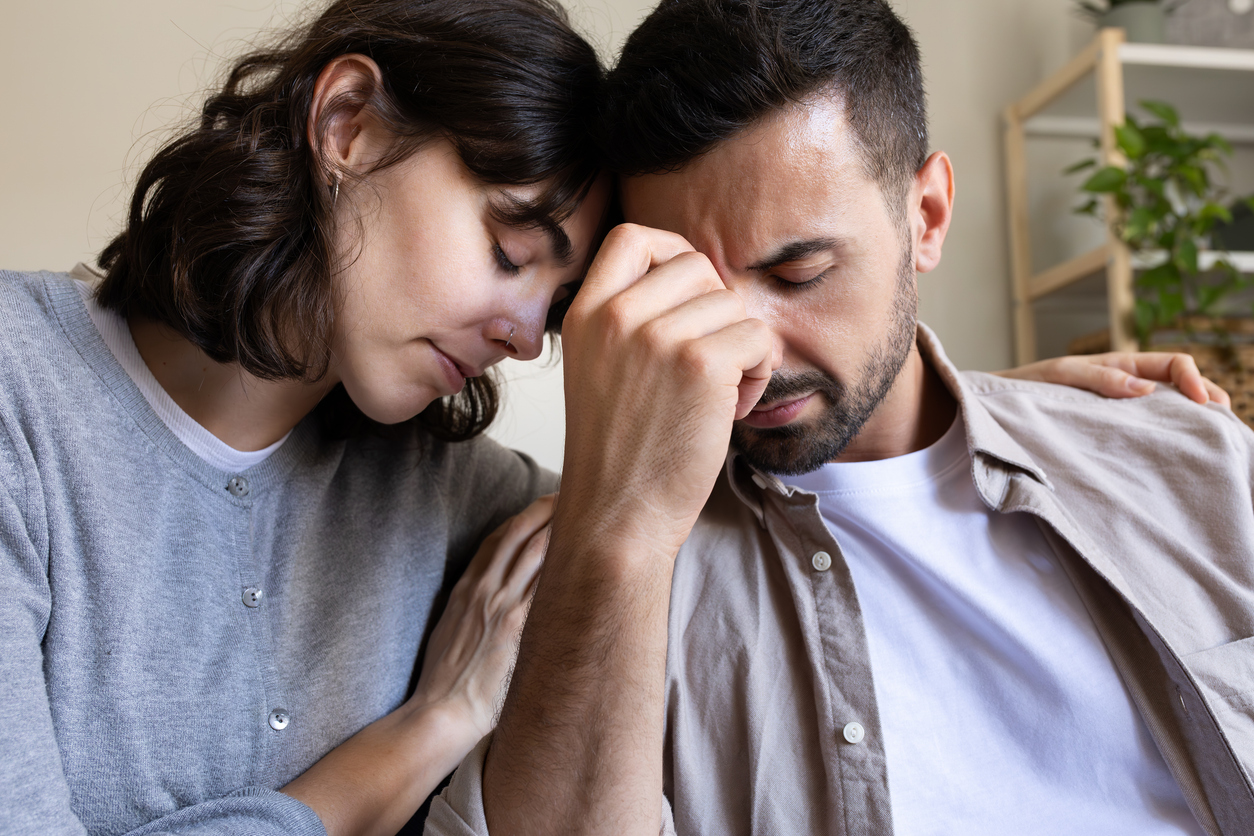
Romantic relationships don’t run on autopilot. It takes deliberate effort from both parties to maintain passion and attend to each other’s practical and emotional needs, especially when living together and sharing household responsibilities. So it isn’t hard to see how depression can upset the balance.
People who are depressed often isolate themselves and withdraw from social situations. They’re too despondent, inwardly focused or exhausted to socialize, and they may have difficulty expressing their feelings, which can create misunderstandings and frustration and lead to more arguments.
Other symptoms of depression that can play havoc with relationships include:
- Feeling angry or irritable
- Losing interest in activities you typically enjoy together
- Diminished sex drive
- Difficulty communicating openly
- Making oneself emotionally unavailable
Studies reflect the negative effects depression can have on close relationships, and the link goes both ways: Experiencing relationship difficulties can increase the risk of depression, while having a depressive disorder can add discord to a romantic partnership.
“Depression also increases interpersonal difficulties and relationship distress, particularly in romantic relationships,” David Dozois, professor of psychology and psychiatry at the University of Western Ontario, told Psychwire. “For example, the interactions of couples in which one partner experiences depression tend to exhibit more negative communication patterns like blaming and withdrawal and fewer positive behaviors, such as working together to problem-solve, self-disclosure and eye contact.”
In addition, loss of pleasure in the things you used to enjoy — a condition clinicians call anhedonia — can lead some people to think they have fallen out of love with their spouse or significant other, when in reality, they’re just unable to feel joy.
Tips to Get Your Relationship Back on Track
So what can you do about it when you or your partner is spiraling into depression? There are several things, whether it’s your partner or yourself who is depressed.
If Your Partner is Depressed
- Maintain open communication by being patient and a good listener. Encourage your partner to be candid about how he or she is feeling — and be honest yourself about how it may be affecting your relationship.
- Learn more about depression and its symptoms so you can recognize the signs in your partner or spouse and offer your support when needed.
- Encourage your partner to maintain connections with his support network of friends or family to provide emotional support and a sense of normalcy.
- Participate in activities you both enjoy together.
- Seek stability by establishing routines such as mealtimes, bedtimes, walks through the park or other times spent together to foster connection and normalcy.
- Prioritize self-care and set boundaries to help you recharge. Prioritize your own mental health by connecting with friends outside your relationship and pursuing activities that give you pleasure.
If You Are the Depressed Partner
- Be open and transparent about how you’re feeling and what you need. Let your partner know they’re not the reason you’re depressed.
- Ask for help when you need it and express gratitude for the support you receive. Look for opportunities to return the favor when you’re able.
- Make healthy lifestyle choices by following a balanced diet, finding ways to exercise and getting enough sleep.
- Set small, realistic goals, such as cleaning your room or folding laundry, to help build a sense of accomplishment and a can-do mindset.
- Keep a journal to help you process your emotions in a healthy and productive way, and share it with your partner if you’re comfortable, which can enhance communication and understanding.
Most important for either partner is to seek treatment from mental health professionals. Here at Madison Avenue TMS & Psychiatry, our caring and expert staff can help you find solutions to alleviate your depressive symptoms and heal your relationship — even if you’ve seen limited benefit from prior conventional talk therapy or antidepressants. If you’re ready to work to get out of your rut, contact us at (212) 731-2033 or via our website.




 (212) 731-2033