The most common way of treating depression is with prescription antidepressant medications. There are many different types of antidepressants—each type works in a unique way to relieve symptoms. Although antidepressants provide relief for many patients, they are also associated with unpleasant side effects, like: These side effects can become so…

Read More


Many people who have suffered from clinical depression, or who have a loved one who suffers from depression, may have noticed that they’re not the only one in their family who has it. It’s very common for major depressive disorder (MDD) to run in families. Depression is caused by a…

Read More


Learn How You Can Make a Difference Mental Health Awareness Month is a time of the year dedicated to raising awareness about mental health conditions in order to reduce the stigma surrounding them, promote practices that support emotional well-being, and to encourage more people suffering from mental health conditions to…

Read More


  Managing depressive symptoms is an important aspect of any treatment for depression, including repetitive transcranial magnetic stimulation (rTMS). Wellness practices hold a great amount of value as a complementary approach that helps patients foster self-compassion and self-care during treatment. Not only do many of our patients report that wellness…

Read More


This article is part of a two-part series. To read part one, click here: How Science Showed that TMS Works for Depression: Part 1 of 2 Transcranial magnetic stimulation (TMS) treatment for depression was approved by the FDA in 2008, after the first landmark study by J.P. O’Reardon and his…

Read More


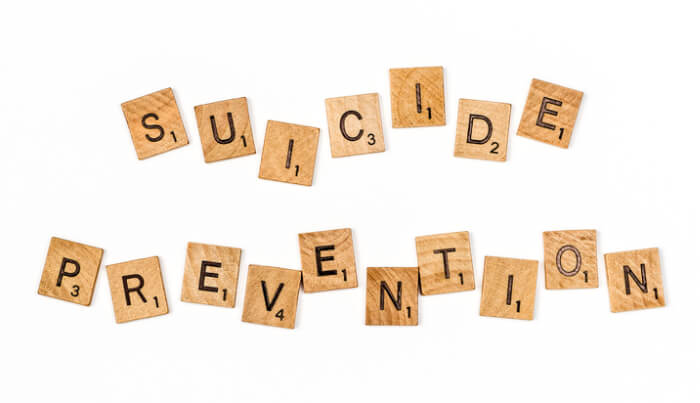
In honor of suicide prevention week, we wanted to share with you some information on suicide in the US and a few important suicide prevention resources. Knowing the risk factors and warning signs can help prevent suicide. Suicide is one of the leading causes of death in the United States…

Read More


At Madison Avenue TMS & Psychiatry, we believe strongly in providing our patients with the best care, which in my opinion also includes access to the most accurate information available. As a physician, I take my responsibility to inform and educate my patients about their treatment options very seriously. Transcranial…

Read More


When researchers conduct a study on a treatment for depression, how do they determine if the treatment was successful? Patients who struggle with depression may already know that success in treatment isn’t always simple to measure. For that reason, researchers have developed very specific tools and measurements to measure the…

Read More


Transcranial magnetic stimulation (TMS) is a relatively new treatment for depression that  has been able to help patients who have not gotten results from other forms of treatment by sending magnetic pulses to the brain. But how does TMS actually work? First, let’s look at what exactly TMS treatment targets…

Read More