Anger is often a symptom of depression, though it’s one that’s less commonly recognized by depression sufferers as being related to their depression. Anger and irritability are reported in as many as one-third of patients with depression. (1) One study noted an even higher incidence (53.4%) of anger and irritability…


Read More


For many people diagnosed with depression, especially those with severe depression, antidepressants provide welcomed relief from symptoms. However, approximately one-third of people with depression won’t see improvement in their symptoms with antidepressants, and as much as 50% will stop taking their medication due to undesirable side effects, fear of addiction,…

Read More


Will Depression Meds Help?

Many people delay seeking help for depression because of the stigma of mental health illness and antidepressants. But antidepressants have helped many patients find relief from depression, especially patients with moderate to severe depression. (1,2)   Getting help and starting treatment early-on increases the probability of achieving remission and reduces the…

Read More


Yes! Medicare covers TMS therapy in New York. While Medicaid doesn’t yet cover TMS, Medicare does. Patients who are eligible for Medicare include US citizens who are 65 years and older, or who are severely disabled. Income is not a deciding factor for Medicare eligibility. To learn more about Medicare…

Read More


Nature vs. Nurture is a scientific debate that asks the question, “Is human behavior determined by a person’s environment, or by genetic predisposition?” Environment (nurture) refers to the external influences someone experiences, such as their home environment and childhood experiences. Genetic predisposition (nature) refers to the genes that a person…

Read More


Does TMS Cause Brain Damage?

TMS has been gaining a lot of attention for its ability to relieve depressive symptoms for people with treatment-resistant depression, and for its potential to treat patients with other conditions like anxiety and PTSD. TMS uses magnetic pulses to stimulate the brain to relieve depressive symptoms. As with any new…

Read More


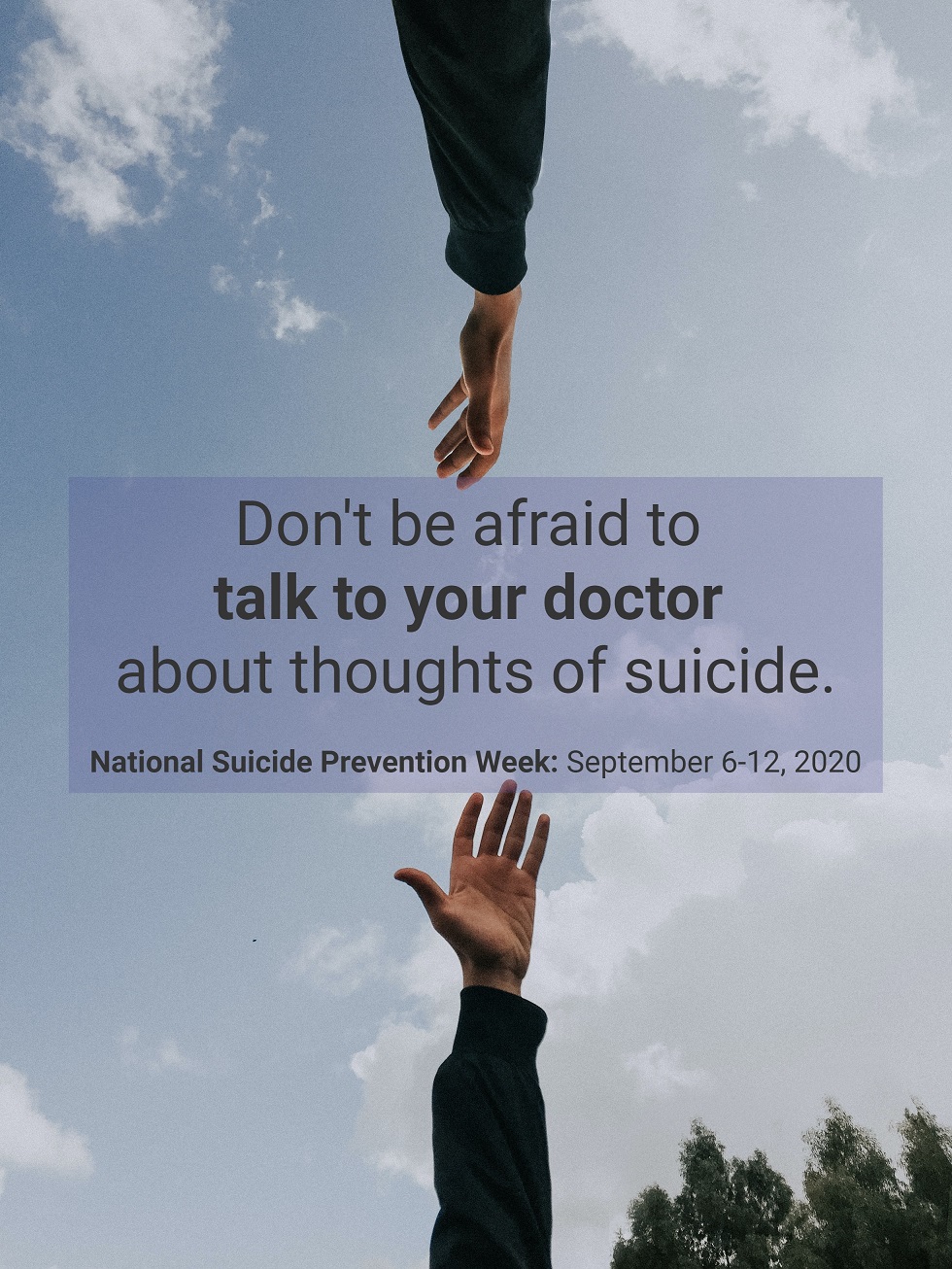
Many people who struggle with thoughts of suicide are afraid to tell a healthcare provider because they’re worried they’ll immediately be involuntarily committed to a psychiatric facility. This is not the case.  Suicidal ideation is a symptom of a mental health disorder, and just like any other symptom, it’s important…

Read More


Fatigue is one of the most common symptoms of depression, affecting up to 90% of people diagnosed with depression, and can be one of the primary reasons depressed patients seek help. (1,2) But why does depression make you so tired? Depression Affects Neurotransmitters That Regulate Sleep Depression is a complex…

Read More


As of Monday, July 13, we’ve reopened our doors and are thrilled to offer TMS again. We’re now accepting new patients, as well as new appointments for existing patients. Please call us at (212) 731-2033 or contact us online to make an appointment. Our COVID-19 Safety Precautions Our #1 priority…

Read More